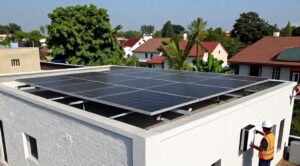

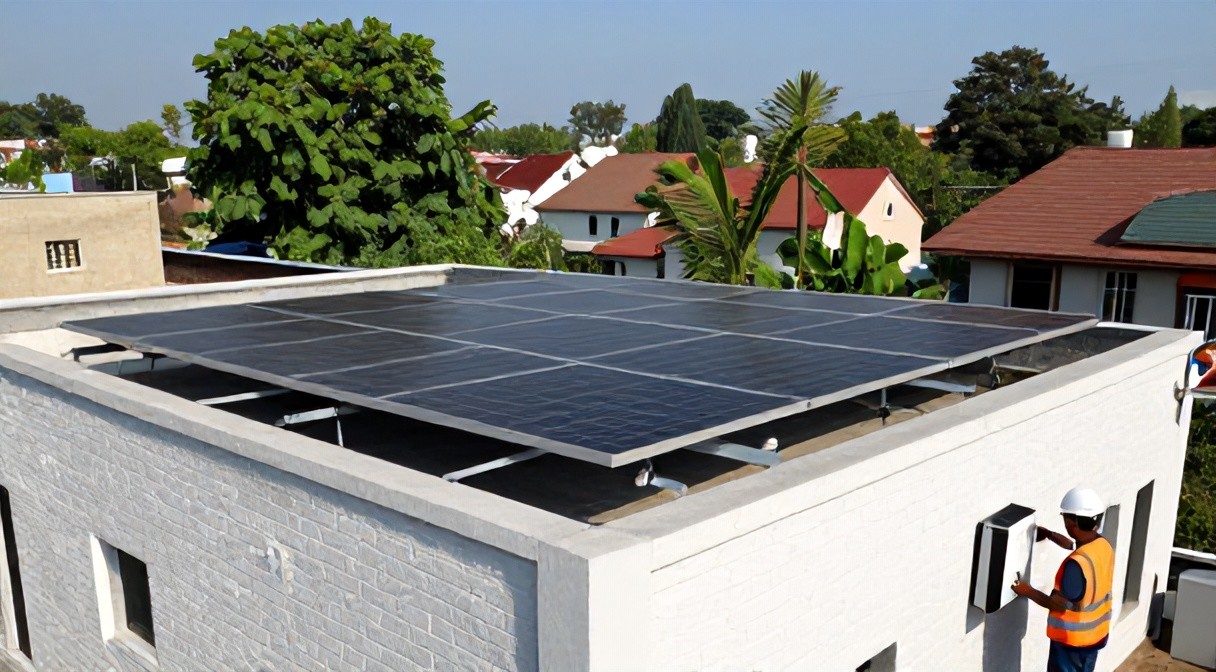
The PM Surya Ghar Muft Bijli Yojana is a flagship initiative launched by the Government of India to accelerate rooftop solar adoption across Indian households. Aiming to provide up to 300 units of free electricity every month to one crore households, the scheme transitions residential energy consumption toward renewable sources while significantly lowering monthly utility expenses. By combining direct financial subsidies, low-interest bank financing, and a streamlined digital interface, the government has simplified the process of turning residential rooftops into miniature clean energy power plants.
While the prospect of zero-cost or deeply discounted electricity bills is compelling, successful participation in the scheme requires a clear understanding of its technical standards, eligibility guidelines, net-metering regulations, and application workflows. This comprehensive guide covers the operational details of the scheme to help homeowners navigate the transition to solar energy efficiently.
What is the PM Surya Ghar Muft Bijli Yojana?
Approved by the Union Cabinet with an outlay of ₹75,021 crore, the scheme replaces and expands earlier iterations of the National Rooftop Solar Programme. Under this initiative, residential electricity consumers receive central financial assistance (CFA) directly credited to their bank accounts via Direct Benefit Transfer (DBT) upon installing grid-connected solar photovoltaic (PV) systems on their roofs.
The scheme operates through an interconnected grid model. Instead of relying on expensive battery storage systems, homes feed surplus daytime solar power back into the local distribution company’s (DISCOM) grid using a bi-directional net meter. At night, or during periods of high consumption, the home draws power from the regular grid. The net billing reflects only the differential units consumed, enabling many households to bring their net electricity charges down to zero.
Subsidy Structure Under the Scheme
The Central Financial Assistance provided under the scheme is standardized across states to ensure transparency. The subsidy amount is linked directly to the installed capacity of the rooftop solar system:
- Systems up to 2 kW capacity: Financial assistance of ₹30,000 per kW (₹30,000 for 1 kW; ₹60,000 for 2 kW).
- Systems above 2 kW up to 3 kW capacity: An additional ₹18,000 for the third kilowatt, bringing the maximum total subsidy for a 3 kW residential system to ₹78,000.
- Systems above 3 kW capacity: The central subsidy is capped at a maximum of ₹78,000 for individual residential connections. Consumers may install higher capacities subject to roof area and technical sanction from their DISCOM, but the subsidy does not increase beyond this threshold.
- Group Housing Societies and Resident Welfare Associations (GHS/RWA): ₹18,000 per kW for common facilities (such as lifts, water pumps, and shared lighting) up to a cumulative ceiling of 500 kW.
Certain states may provide supplementary subsidies over and above the central grant through their respective state renewable energy development agencies. Homeowners should verify whether their state government has announced complementary top-up benefits.
Eligibility Criteria for Applicants
To qualify for the subsidy under the PM Surya Ghar Muft Bijli Yojana, applicants must satisfy several specific conditions established by the Ministry of New and Renewable Energy (MNRE):
- Indian Citizenship: The applicant must be a citizen of India residing within the territory where the application is filed.
- Residential Property Ownership: The applicant must possess a residential house with a structurally sound, shadow-free roof suitable for mounting solar PV modules. Commercial establishments and agricultural connections are not eligible under the residential subsidy framework.
- Active Grid Connection: The household must have an active, operational grid electricity connection registered in the applicant’s name (or in the name of an immediate family member, subject to local DISCOM policies) under a residential tariff category.
- No Prior Solar Subsidies: The applicant must not have previously claimed a government capital subsidy for a rooftop solar installation at the same premises under any earlier central or state scheme.
- DISCOM Feasibility Approval: The applicant must obtain technical feasibility clearance from their local power distribution utility, verifying that the local distribution transformer has sufficient capacity to handle reverse power flow.
Mandatory Documents Required
Before initiating an application, ensure high-resolution scanned copies of the following documents are readily available:
- Recent electricity bill (typically not older than three months) showing consumer account number, address, and sanctioned load.
- Aadhaar card or other government-approved identity proof of the electricity consumer.
- Proof of address matching the site of installation.
- Copy of a cancelled bank cheque or updated bank passbook displaying the applicant’s name, account number, and IFSC code (essential for DBT subsidy disbursal).
- Recent photograph of the installation roof area.
Step-by-Step Online Application Process
The entire application, tracking, and subsidy disbursement pipeline is managed through the unified national portal. Homeowners should avoid unauthorized intermediaries and apply only through verified channels.
Step 1: Registration on the National Portal
Visit the official portal at pmsuryaghar.gov.in. Select your State, your local Electricity Distribution Company (DISCOM), and enter your Consumer Account Number exactly as printed on your electricity bill. Complete mobile verification through an OTP.
Step 2: Submitting the Application
Log in using your registered credentials. Fill out the formal application form by entering personal details, sanctioned load, proposed rooftop solar capacity, and uploading the electricity bill. Submit the form to trigger the technical feasibility review with your DISCOM.
Step 3: DISCOM Feasibility Approval
Your local DISCOM assesses whether the transformer capacity in your area permits additional solar power generation. Once technical approval is granted online, the portal issues a clearance notification.
Step 4: Installation by an Empanelled Vendor
Once feasibility approval is received, select a vendor registered with your DISCOM. The solar PV modules used must comply with the Approved List of Models and Manufacturers (ALMM) issued by the MNRE, and the system must adhere to standard BIS specifications. Sign a formal agreement with the vendor detailing component warranties, installation timelines, and comprehensive maintenance terms.
Step 5: Submission of Work Completion Report
After the physical installation is complete, the vendor and consumer submit the plant details, serial numbers of panels and inverters, and geo-tagged photographs on the portal. You then submit an application for the installation of a bi-directional net meter.
Step 6: Inspection and Net Meter Installation
A technical official from your DISCOM inspects the setup to verify safety standards, anti-islanding protection (which shuts off the system during grid outages to protect line workers), and wiring integrity. Upon successful inspection, the DISCOM installs the net meter and generates an official Commissioning Certificate on the portal.
Step 7: Subsidy Disbursal via DBT
Once the Commissioning Certificate is generated, log in to the portal and provide your bank account details alongside an image of a cancelled cheque. The central subsidy is processed and directly deposited into your bank account within the standard processing timeframe.
Financing Options and Low-Interest Loans
To reduce initial out-of-pocket costs, several scheduled public and private commercial banks offer collateral-free rooftop solar loans for systems up to 3 kW. Under guidelines aligned with the national scheme, interest rates for these loans are typically set at around 0.5% to 1.5% above the prevailing Repo-linked lending rate. Homeowners can apply for financial assistance directly through the national portal via integrated links to institutional lenders.
Key Factors to Evaluate Before Installing Solar
While the scheme delivers significant long-term financial benefits, prospective buyers should assess several practical constraints:
- Roof Area and Orientation: A 1 kW rooftop solar system generally requires approximately 100 to 120 square feet of unshaded space. South-facing roofs yield optimal energy generation across most parts of India.
- Grid Dependence: Standard on-grid inverters shut down automatically during grid power cuts for safety reasons. If your locality experiences frequent or extended load-shedding, an on-grid system will not supply backup power during those outages unless paired with specialized hybrid inverters and battery storage (which are not covered under the central subsidy).
- Vendor Selection: Ensure your chosen vendor provides documented guarantees. Under MNRE norms, solar modules carry a performance warranty of at least 25 years, while inverters typically come with a 5-year replacement warranty.
Frequently Asked Questions (FAQs)
Can tenants apply for the PM Surya Ghar scheme?
No. The scheme requires ownership or long-term legal control over the roof where the installation takes place. The electricity connection must be under a residential tariff, and consent of the legal property owner is essential.
What happens to the surplus electricity generated?
Surplus energy generated during the day is fed into the public grid via the net meter. Depending on your DISCOM’s tariff regulations, surplus units are credited against your future consumption bills. In some states, unadjusted credits remaining at the end of the settlement year are compensated at a predetermined feed-in tariff.
Are off-grid solar systems eligible for the subsidy?
No. The PM Surya Ghar Muft Bijli Yojana subsidy applies strictly to grid-tied rooftop solar systems with bi-directional net metering. Standalone off-grid systems with independent battery banks do not qualify for central financial assistance under this portal.
How long does it take to receive the subsidy after installation?
Once the DISCOM inspects the system, installs the net meter, and uploads the Commissioning Certificate, the DBT subsidy is typically disbursed to the registered bank account within 30 to 45 working days, subject to administrative verification.
Conclusion
The PM Surya Ghar Muft Bijli Yojana offers an effective, financially viable pathway for Indian households to achieve energy independence and minimize recurring electricity costs. By adhering strictly to the official registration workflow, selecting verified empanelled vendors, and ensuring all documentation matches your utility records, you can secure the available central subsidy without friction. Homeowners should visit pmsuryaghar.gov.in to begin their registration and verify local DISCOM guidelines.